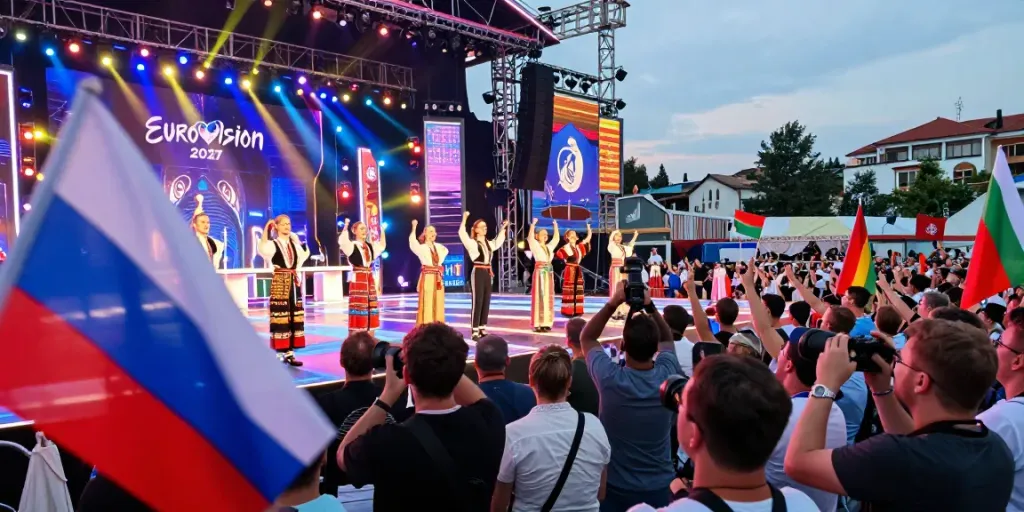
Overview of Eurovision 2027: Date and Location
The Eurovision Song Contest is one of the most anticipated cultural events in Europe, bringing together nations in a celebration of music and diversity. For the 2027 edition, fans eagerly await the final, scheduled for May 15, 2027, in the picturesque coastal city of Burgas, Bulgaria. This year marks a significant occasion, as it promises to showcase a blend of talent and creativity from across the continent.
When exploring options, kurpramogauti.lt provides comprehensive insights into what to expect during the event, including a detailed look at the competition format, participating countries, and viewing options.
When is the Eurovision 2027 final scheduled?
The grand finale of Eurovision 2027 will take place on May 15, 2027. This date is eagerly marked on the calendars of fans and participants alike as they prepare for a night filled with music, emotion, and spectacle. The final promises to be an unforgettable event featuring a variety of performances that reflect different cultural backgrounds and musical styles.
Where will the event take place?
Burgas, located on the Black Sea coast of Bulgaria, will serve as the host city for the Eurovision 2027 final. Known for its stunning beaches and vibrant tourist atmosphere, Burgas offers an excellent backdrop for this prestigious event. The choice of location is expected to enhance the overall experience, providing both contestants and audiences with a unique setting to celebrate musical talent.
What makes Burgas a unique host city?
Burgas is not only a popular tourist destination but also rich in cultural heritage. The city boasts various attractions, from its beautiful seaside parks to historical landmarks. The combination of modern amenities and historical charm makes it an attractive venue for hosting Eurovision, ensuring an exciting experience for participants and fans alike.
Countries Participating in the Final
How many countries will compete in the final?
In the Eurovision 2027 final, there will be up to 26 countries competing for the coveted title. This includes the Big Five - France, Germany, Italy, Spain, and the United Kingdom, along with the host country, Bulgaria. The remaining slots will be filled by the top ten finalists from each of the semifinals, creating a diverse lineup of performances that reflect the rich tapestry of European music.
What are the criteria for qualification?
The qualification process for the Eurovision final involves a rigorous selection mechanism. Each participating country must compete in one of the two semifinals, with the top ten from each semifinal advancing to the final. Countries that are part of the Big Five and the host nation, Bulgaria, automatically secure their spots in the finale, ensuring their presence in this grand showcase.
Overview of the Big Five and host country participation
The Big Five, comprising France, Germany, Italy, Spain, and the United Kingdom, hold a unique position in the competition as they automatically qualify for the final. This advantage allows them to showcase their musical talents and compete alongside the world's best acts without the pressure of semifinals. Bulgaria, as the host country, is also guaranteed a place in the final, further enriching the competition with its local flavor and artistic contributions.
Voting Process Explained
How does the voting work in the Eurovision final?
The voting in the Eurovision final is a blend of national jury votes and public votes, each accounting for 50% of the final score. Each country participating in the final will contribute to the overall results, with viewers casting their votes through phone, SMS, or app. The national juries will evaluate the performances based on criteria such as vocal ability, stage presence, and overall composition.
What is the role of national juries versus public votes?
The integration of national juries and public votes ensures a fairer representation of opinions across Europe. While public votes reflect popular sentiment, national juries provide a professional perspective, balancing out any potential biases. This dual system has evolved over the years to enhance the credibility and excitement of the voting process.
Comparison with past voting systems
In previous years, the voting system primarily relied on public votes, but the introduction of national juries has added a layer of sophistication. This change was implemented to prevent bloc voting and to ensure that all performances are adjudicated on their artistic merit. The current system has been successful in diversifying the outcomes and making the contest more unpredictable.
The Path to the Final
What happens during the semifinals?
The semifinals are a critical step in determining which countries will advance to the final. During these rounds, participants perform, and only the top ten countries based on a combination of public and jury votes will earn their spots in the final. This phase is not only crucial for the contest but also serves as a platform for emerging talent from lesser-known music scenes.
How are finalists determined from semifinals?
From each semifinal, the highest-scoring ten entries will qualify for the final. This allocation ensures a competitive atmosphere, where countries must not only impress the audience but also win over professional juries. The anticipation leading up to the announcement of finalists adds to the excitement of the event.
What strategies do countries use to qualify?
Countries often employ various strategies to maximize their chances of qualifying for the final. This can include selecting popular artists, employing skilled songwriters, and utilizing captivating staging techniques. The focus is not only on musical composition but also on delivering an engaging performance that resonates with both juries and the public.
Where to Watch Eurovision 2027 Live
Which platforms offer live coverage?
Fans eager to watch the Eurovision 2027 final will have multiple options for viewing the event. Official broadcasters in participating countries will provide televised coverage, while several online platforms will stream the show live, making it accessible for fans globally. This flexibility ensures that audiences can engage with the competition regardless of their location.
How to stream the event online in different countries?
Streaming options for Eurovision will vary depending on the country. Viewers can check local listings or Eurovision's official website to find the best platforms for streaming. Many countries will offer online services through their national broadcasters, ensuring that fans can watch the event in real-time.
Viewing parties and community events surrounding the final
In addition to watching from home, many fans participate in viewing parties and community events that celebrate Eurovision. These gatherings allow fans to share their excitement, cheer for their favorite contestants, and engage in the festive atmosphere that surrounds the competition.
What are the common FAQs about Eurovision 2027?
As with any major event, fans often have questions about logistics and participation. Common FAQs include inquiries about voting methods, eligibility, and the criteria for performance evaluation. These questions highlight the importance of understanding the contest’s format and rules to fully enjoy the experience.
How can fans engage with the event online?
Social media platforms serve as vibrant spaces for fans to engage with Eurovision. They can participate in discussions, share their opinions, and follow updates from various artists and organizers. This interaction enhances the communal experience of the event, connecting fans from all over Europe and beyond.
Tips for newcomers to Eurovision experience?
For newcomers, embracing the Eurovision experience means immersing oneself in the music and culture of participating countries. Familiarizing oneself with past contestants, learning about the voting process, and understanding the significance of the event can enhance enjoyment. Engaging with fellow fans and attending viewing parties can also add to the excitement.